

The Post-Illness Slump: Why You Still Feel Tired After You’re “Better”
You finally recovered. The fever is gone. Congestion has cleared. You’re back at work or the gym.
So why do you still feel exhausted?
This lingering fatigue, often called the post-illness slump, is incredibly common after infections, especially during cold and flu season. Even when symptoms fade, your body may still be working behind the scenes to fully recover.
Here’s why that happens and what can help you feel like yourself again.
Your Body Keeps Working After Symptoms Stop
When you’re sick, your immune system shifts into high gear. Fighting an infection takes energy, oxygen, and nutrients. Even after you feel “better,” your body continues repairing tissues, calming inflammation, and restoring balance.
That recovery process doesn’t always match your calendar.
Lingering fatigue can occur because:
- Immune activity remains elevated
- Inflammation takes time to resolve
- Oxygen delivery to tissues may still be inefficient
- Sleep quality was disrupted during illness
- Nutrient and hydration levels were depleted
In short, your body hasn’t fully caught up yet.
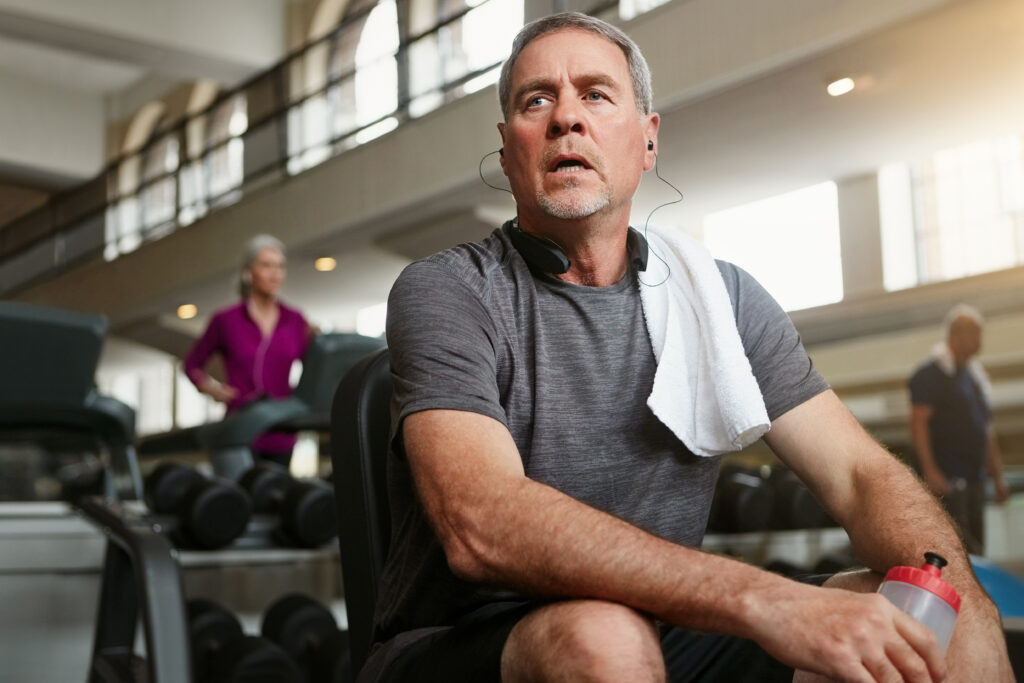
Why Energy Takes the Longest to Return
Oxygen Demand Increases During Healing
Recovery requires oxygen. Cells rely on oxygen to produce energy and repair damage. After illness, oxygen delivery may be less efficient, especially if you were inactive, dehydrated, or congested.
Inflammation Doesn’t Shut off Instantly
Inflammation is part of healing, but when it lingers, it can leave you feeling heavy, foggy, or weak. This can affect both physical and mental energy.
Sleep Disruption Adds Up
Illness often disrupts sleep cycles. Even if you’re sleeping longer now, the quality of rest may still be off, delaying full recovery.
Depletion Happens Quietly
Illness and stress can deplete vitamins, minerals, and fluids. You may not notice this immediately, but your energy levels do.
Why “Pushing Through” Often Backfires
Many people try to return to normal too quickly. Work, workouts, travel, and responsibilities resume, but the body hasn’t fully rebuilt its reserves.
Pushing too hard can:
- Prolong fatigue
- Increase soreness or brain fog
- Delay immune recovery
- Lead to repeated illness
Rest doesn’t mean stopping life. It means supporting recovery instead of fighting it.
What Actually Helps After an Illness
Consistent Sleep and Routine
Returning to regular sleep and wake times helps reset energy rhythms. Your body responds well to predictability during recovery.
Hydration and Nutrient Support
Replenishing fluids and nutrients supports circulation, oxygen delivery, and immune balance.
Gentle Movement
Light activity can improve circulation without overwhelming recovery. Walking, stretching, or mobility work often feels better than intense workouts at this stage.
Supporting Oxygen Delivery
Because oxygen is essential for energy production and tissue repair, therapies that support oxygen availability are often explored during post-illness recovery.
How Hyperbaric Oxygen Therapy May Support Recovery
Hyperbaric Oxygen Therapy (HBOT) involves breathing oxygen in a pressurized chamber. Under pressure, oxygen dissolves into blood plasma and body fluids, increasing its availability throughout the body.
Many people explore HBOT as part of a wellness-focused recovery plan, especially after illness, fatigue, or periods of physical stress. By supporting oxygen delivery at the cellular level, HBOT may help the body’s natural recovery processes function more efficiently.
Patients often incorporate HBOT alongside rest, hydration, and routine rebuilding rather than as a standalone solution.
IV Vitamin Therapy and Post-Illness Fatigue
After being sick, digestion and absorption can still be compromised. IV vitamin therapy delivers fluids and nutrients directly into the bloodstream, bypassing the digestive system.
People often explore IV therapy for:
- Lingering fatigue
- Low energy
- Immune system support
- Dehydration following illness
These therapies are typically used as part of a broader recovery and wellness plan under professional guidance.

How Long Does the Post-Illness Slump Last?
There’s no universal timeline. Some people feel normal within days. Others take weeks, especially after more intense infections or stressful schedules.
Factors that affect recovery time include:
- Age
- Stress levels
- Sleep quality
- Activity demands
- Overall health and consistency
The key is listening to your body instead of rushing it.
Supporting Your Recovery at H&W with HBOT
We focus on holistic, supportive care that works with your body’s natural healing processes. Our New Jersey and New York clinics offer a variety of HBOT, IV, and wellness services for those navigating post-illness fatigue and recovery.
If you’re feeling worn down long after symptoms have passed, you’re not alone and you’re not imagining it.
Feeling “better” doesn’t always mean feeling well. With the right support, routine, and patience, energy often returns more steadily and more completely.
Contact us today to learn more about how we can help you recover.
Leave a reply
Leave a reply